
 English




 Women
Women
 Bottom Wear
 Western Wear
 Maternity Wear
 Women's Inners
 Men's
Men's
 Men Traditional Wear
 Men Western Wear
 Men Inners

Sensory Style
Why Texture Matters More Than Color This Season
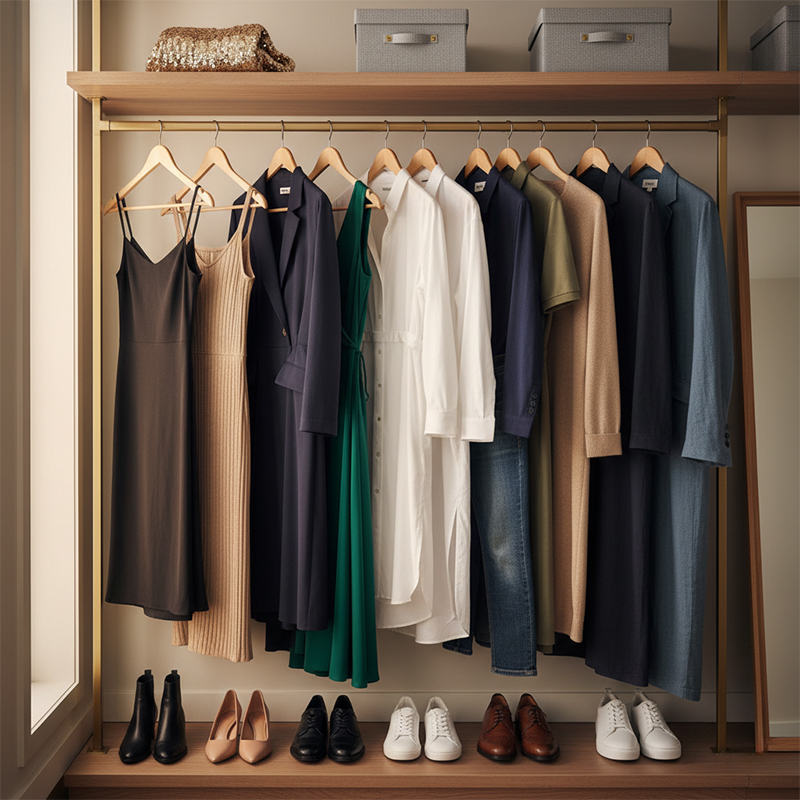
Fashion is guided by color stories, seasonal palettes, and trending shades, yet texture shapes how clothing is experienced and remembered. In women’s fashion, texture introduces depth, emotion, and sensory connection that color alone cannot achieve. Sensory style is about how fabric feels against skin, how it moves with the body, and how it communicates presence without loud expression. This shift invites a more intimate relationship with clothing, where touch, movement, and subtle structure become the true language of personal style.
Texture Builds Silent Visual Depth
Texture creates layers within a single garment, allowing even simple pieces to feel complex and visually engaging. Ribbed knits, brushed cotton, and soft weaves catch light differently, adding dimension without relying on bold color contrasts. For women, this means outfits can feel elevated while remaining understated. Sensory style thrives on this quiet richness, where the eye and hand both experience detail. It transforms minimal silhouettes into something memorable, offering depth that feels lived in rather than loudly styled and enduring.
Touch Defines Emotional Clothing Connection
Fabric against skin shapes emotional response more than color ever can, making texture central to how clothing feels throughout the day. Smooth satins, airy linens, and structured blends each create distinct sensations that influence comfort and confidence. Women increasingly choose pieces that feel good first, knowing that physical ease translates into visible poise. Sensory style celebrates this connection, where garments are selected not just for appearance, but for how they support movement, mood, and personal rhythm in everyday life seamlessly.
Movement Reveals Texture In Motion
Texture becomes most noticeable when clothing moves, revealing its character through drape, flow, and structure. Soft fabrics glide, heavier materials hold shape, and layered textiles create shifting visual interest with every step. For women, this dynamic quality adds life to outfits without needing dramatic styling. Sensory style values this interaction between body and fabric, where motion completes the design. It allows clothing to feel responsive, adapting naturally to gestures, posture, and the quiet rhythm of daily life around you always.
Subtle Details Replace Loud Color Statements
When texture takes focus, color no longer needs to dominate, allowing softer palettes to feel intentional rather than plain. Fine pleats, raised patterns, and layered finishes create interest that feels refined and modern. Women can explore muted tones without losing individuality, as texture carries the visual weight. Sensory style embraces this balance, where detail replaces excess.
Conclusion
Texture invites a slower, more intentional approach to fashion, shifting attention from what is seen first to what is felt over time. In women’s clothing, this creates a deeper connection between wearer and garment, where style becomes personal rather than performative. Sensory style encourages exploration beyond color, guiding choices through touch, movement, and subtle design. As wardrobes evolve, texture stands as a quiet force shaping identity, offering richness, comfort, and authenticity that remains long after seasonal colors fade from attention.
Trending Now
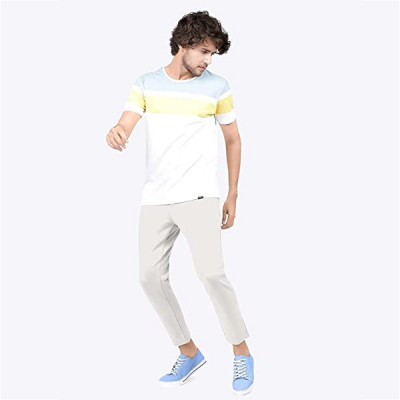
Men's Slim Fit Formal Trousers/Pant
Rs.543.00
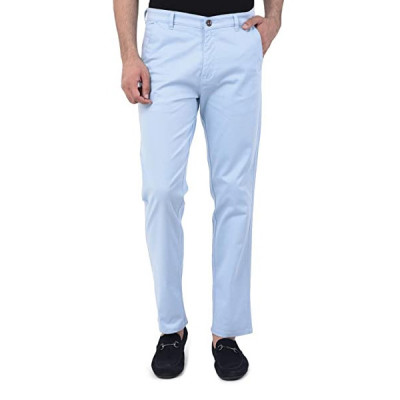
Men's Regular Fit Pants
Rs.544.00
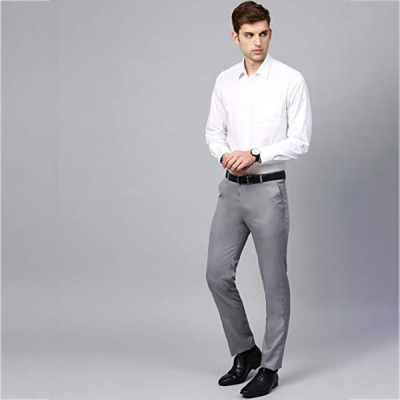
Men's Slim Fit Formal Trousers
Rs.707.00
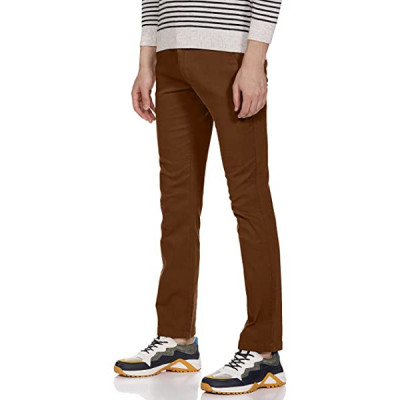
Men's Slim Casual Trouser
Rs.800.00
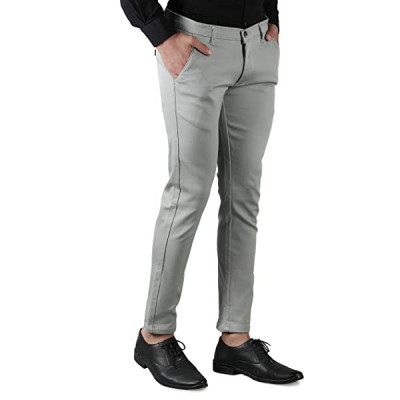
Textured Stretchable Trousers for Men
Rs.899.00
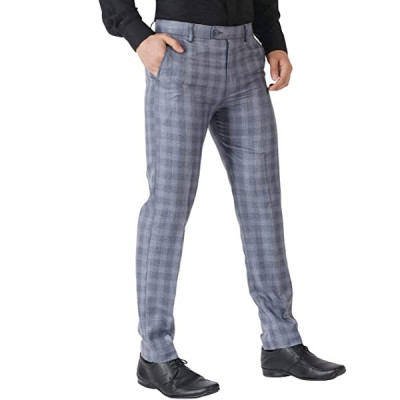
Men's Slim Fit Checkered Trouser
Rs.499.00
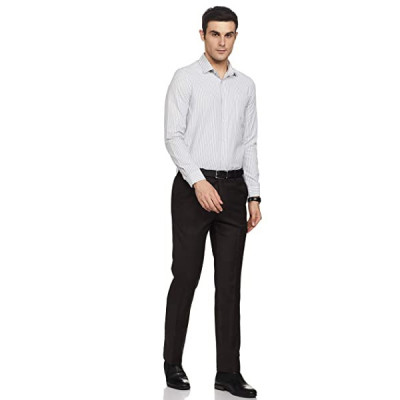
Men's Regular Pants
Rs.2,344.00